NEWS & KNOWLEDGE
Who is ICSI recommended for? "8 Medical Indications You Should Know Before Starting Fertility Treatment"

Intracytoplasmic Sperm Injection (ICSI) is one of the most advanced assisted reproductive technologies (ART). During the procedure, an embryologist carefully selects a single healthy sperm and injects it directly into a mature egg to facilitate fertilization.
ICSI is an effective treatment option for many couples experiencing infertility. However, whether ICSI is the most appropriate treatment depends on the underlying cause of infertility and each couple’s individual medical condition.
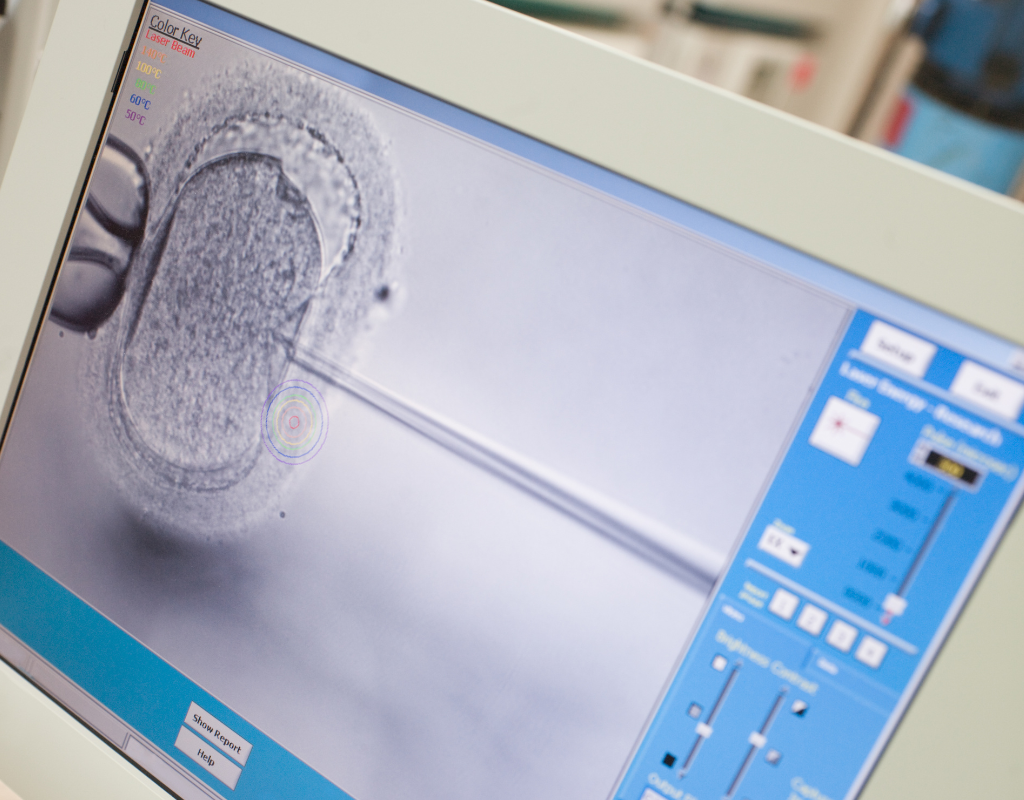
Who is ICSI recommended for?
1. Women Aged 35 Years or Older
Female age is one of the most important factors affecting fertility. From the age of 35 onward, both the quantity and quality of eggs naturally decline, reducing the chances of pregnancy while increasing the risk of chromosomal abnormalities in embryos.
2. Women with Blocked or Damaged Fallopian Tubes
Fallopian tubes play a vital role in transporting the egg and serving as the site where sperm meets egg for natural fertilization. If the tubes are blocked, narrowed, or damaged due to infection, inflammation, or previous surgery, natural conception may become difficult.
3. Women with low ovarian reserve
Women with a low ovarian reserve may produce fewer eggs during ovarian stimulation. In these cases, ICSI can help maximize the fertilization potential of each retrieved egg.
4. Women with Zona Pellucida abnormalities
In some patients, the outer layer of the egg (zona pellucida) may be unusually thick or hard, making it difficult for sperm to penetrate naturally. By injecting a single sperm directly into the egg, ICSI overcomes this barrier and significantly improves the chance of fertilization.
5. Women with Recurrent Pregnancy Loss
Recurrent pregnancy loss is generally defined as two or more consecutive miscarriages. Possible causes include chromosomal abnormalities in the embryo, uterine abnormalities, hormonal imbalances, or immune-related conditions.
For patients without an identifiable cause, fertility specialists may recommend ICSI combined with PGT-A (Preimplantation Genetic Testing for Aneuploidies) to select embryos with the normal chromosomes, helping reduce the risk of miscarriage associated with chromosomal abnormalities.
6. Male Factor Infertility
ICSI is particularly beneficial for men with abnormal semen parameters, including:
- Low sperm count
- Poor sperm motility
- Abnormal sperm morphology
- No sperm present in the ejaculate, but sperm can be surgically retrieved from the testes or epididymis
Because ICSI requires only one healthy sperm for each mature egg, it offers an effective solution for many forms of male infertility.
7. Men Who Have Undergone Vasectomy but Wish to Have Children
Men who have previously had a vasectomy can still achieve biological fatherhood through assisted reproductive technology.
Sperm can be retrieved directly from the epididymis or testis using procedures such as:
- PESA (Percutaneous Epididymal Sperm Aspiration)
- TESE (Testicular Sperm Extraction)
The retrieved sperm can then be used for ICSI.
8. Couples with a Family History of Genetic Disorders
Couples who have a family history of inherited diseases, are known carriers of genetic conditions, or have previously had a child affected by a genetic disorder that may benefit from ICSI combined with PGT-M (Preimplantation Genetic Testing for Monogenic Disorders). PGT-M enables specialists to identify embryos free from a specific inherited genetic condition before embryo transfer, helping reduce the risk of passing the disease on to future children.
ICSI is an advanced fertility treatment designed to improve fertilization rates for patients with specific medical indications. Choosing the most appropriate treatment requires a comprehensive evaluation of both partners, including medical history, fertility assessments, and the underlying cause of infertility.
At N.I.C IVF Clinic, our reproductive medicine specialists develop personalized treatment plans for each couple's unique needs, helping maximize the chance of achieving a healthy pregnancy safely and effectively.
For further information, please contact:
LINE Official Account: @nic_clinic or https://lin.ee/Mmq6m2K
Tel: +66 2-007-3973 or +66 95-370-2483


 ENGLISH
  THAI
THAI  中文
中文