NEWS & KNOWLEDGE
What to Eat When Trying to Get Pregnant
Eating healthy and nutritious foods can help increase the chances of pregnancy for those who want to have children. A healthy and complete reproductive system improves the likelihood of an easy and successful pregnancy through delivery.
Today, I would like to recommend healthy and nutritious foods that are suitable for those who are preparing to have a baby.
Bananas
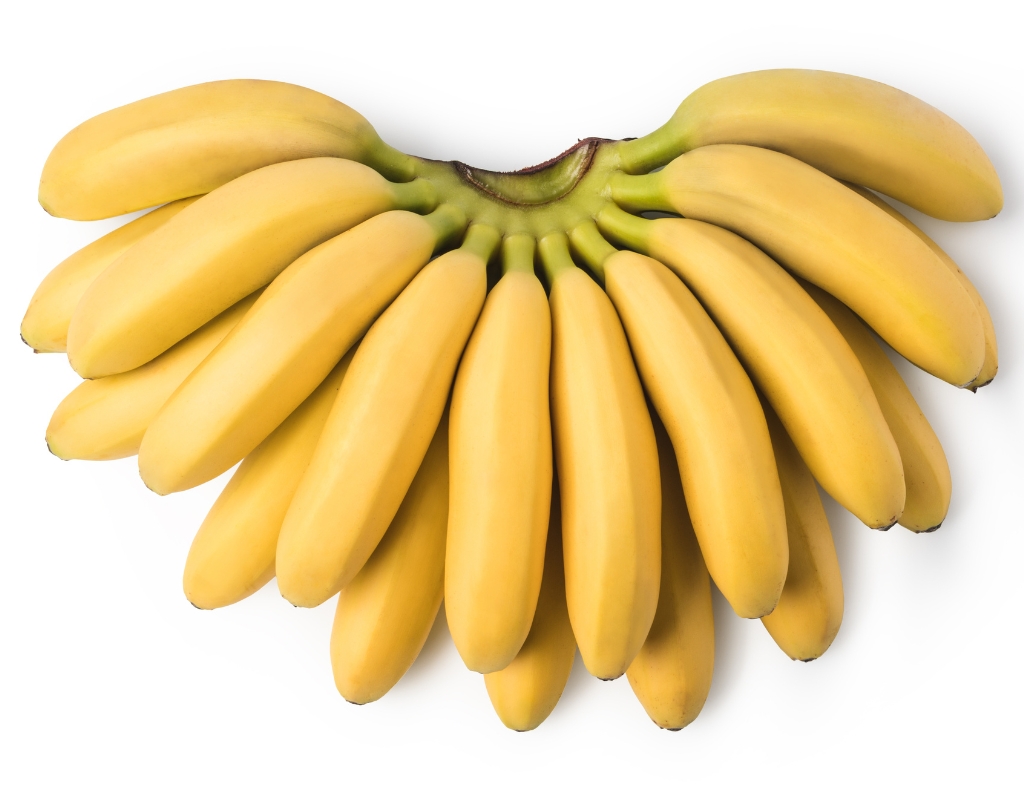
Bananas are a great source of potassium and vitamin B6, which help both men and women maintain healthy sperm and eggs.
Nuts

Nuts are rich in protein and iron. They are a great food to promote fit bodies for women, and they can help balance egg production. In addition, nuts help strengthen the reproductive systems of women.
Potatoes
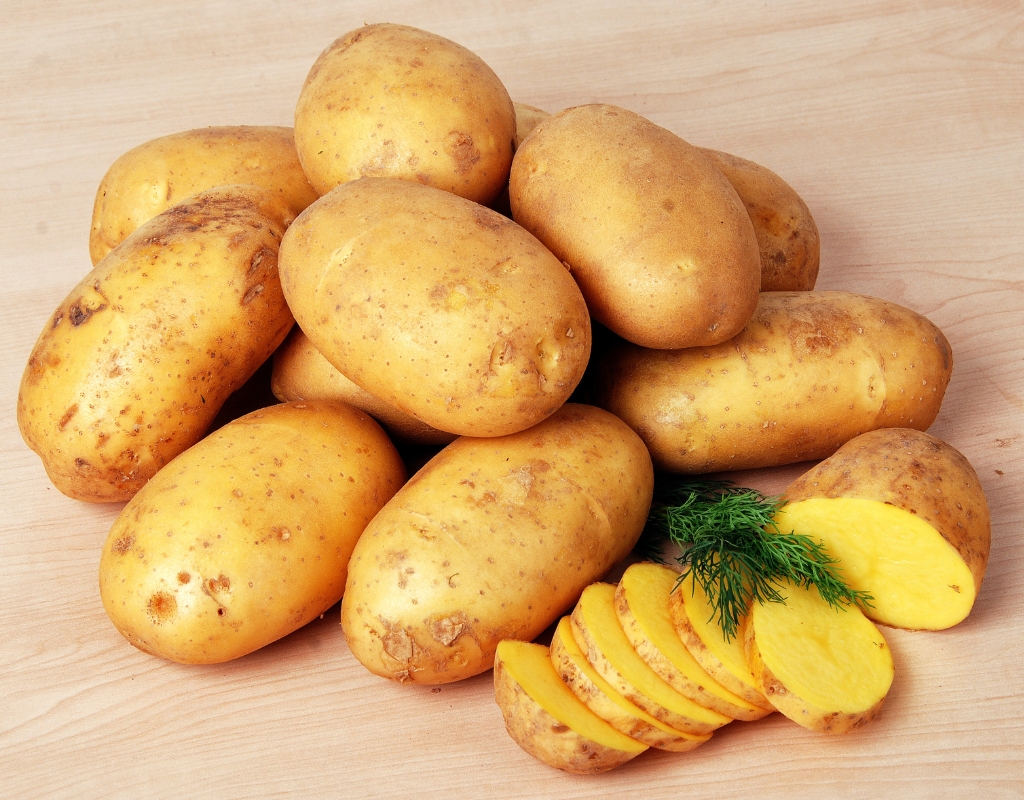
Potatoes are a great source of vitamin C. They are believed to help increase sexual desire, prevent seasonal flu, reduce the risk of gum disease, support red blood cell production, promote the production of female reproductive hormones, support ovarian health, and increase breast milk production after childbirth.
Olive Oil
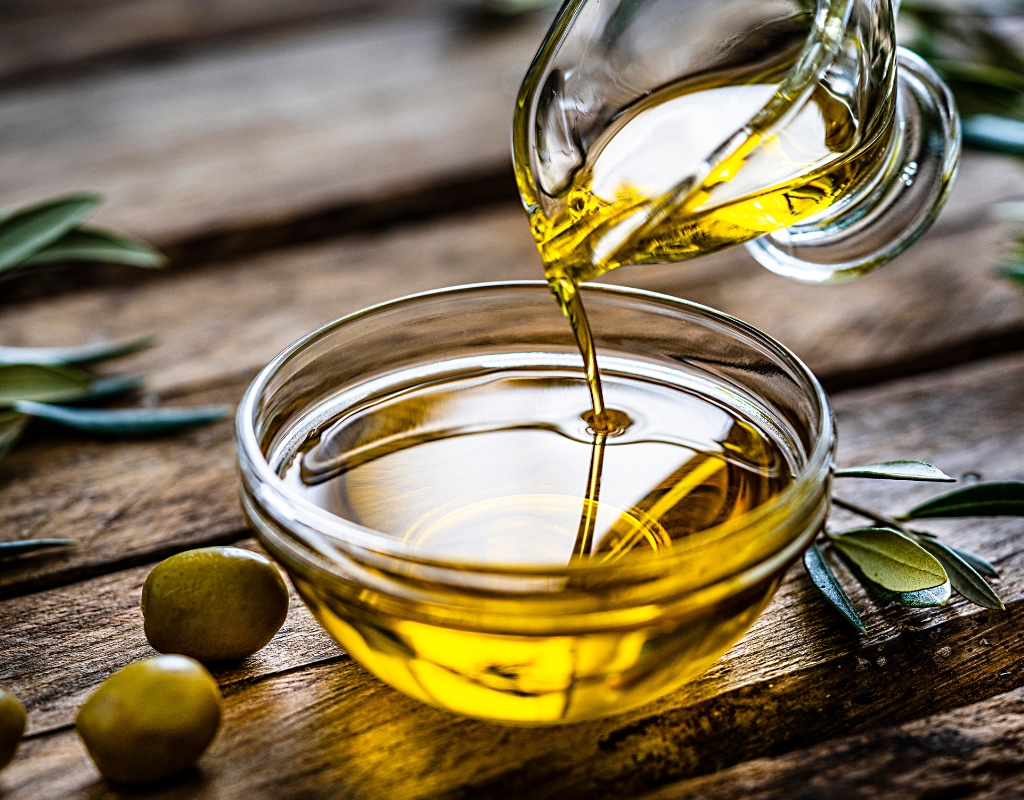
Olive oil contains monounsaturated fat, which increases insulin sensitivity and decreases inflammation in the body. Inflammation can interfere with ovulation and embryo development. It is recommended to use olive oil for cooking or to mix it with vinegar for salad dressing.
Whole grain bread
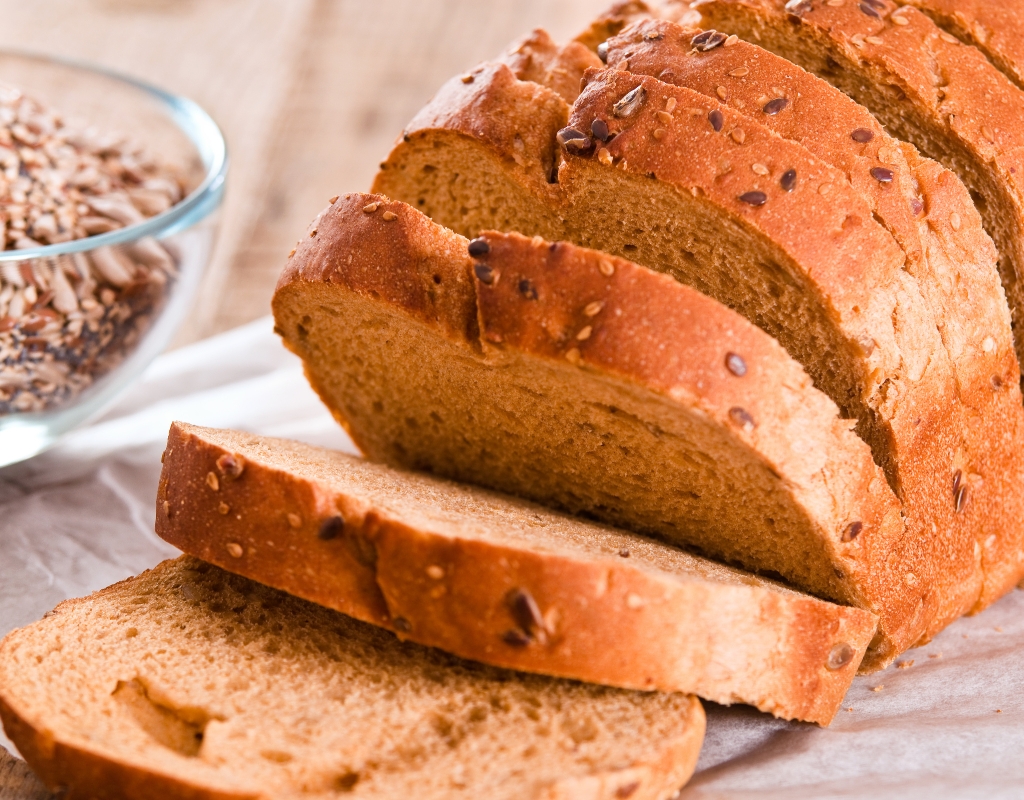
Whole grain bread is a complex carb that takes some time to digest, so it helps stabilize sugar and insulin levels. High levels of insulin can interfere with reproductive hormone production. So, you should eat brown rice or whole grain bread instead of white rice and white bread.
Fish with fatty
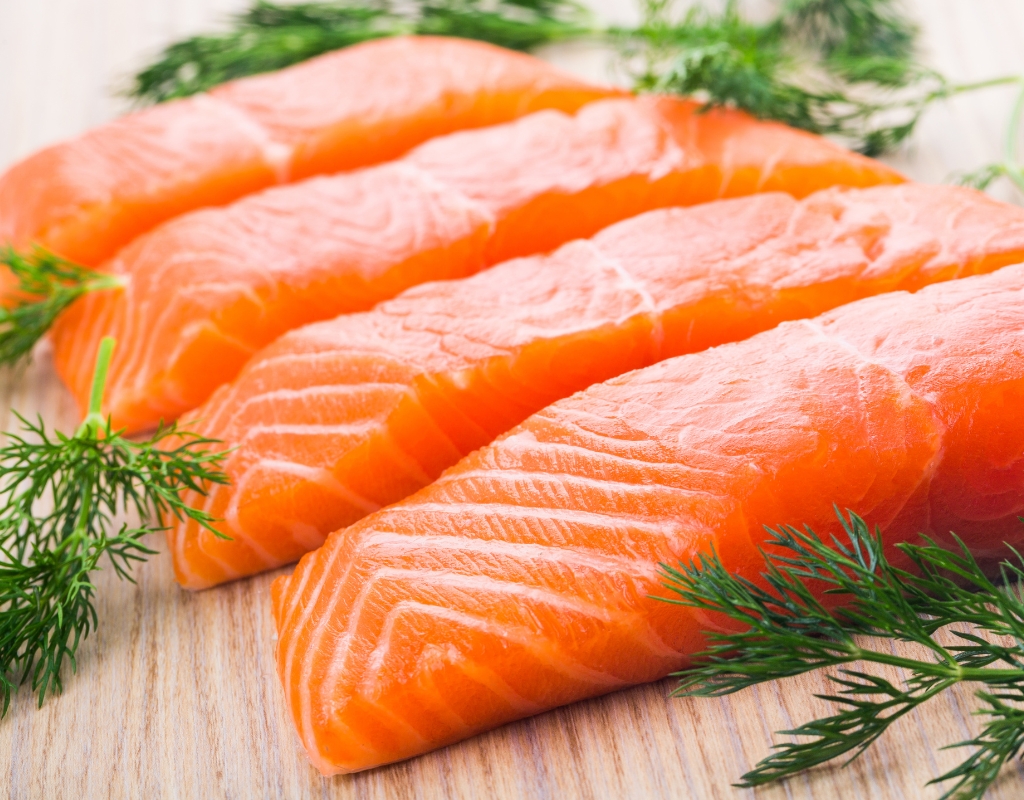
Fish rich in fatty acids and omega-3 help support reproductive hormone balance and improve blood circulation to the reproductive organs.
Shellfish
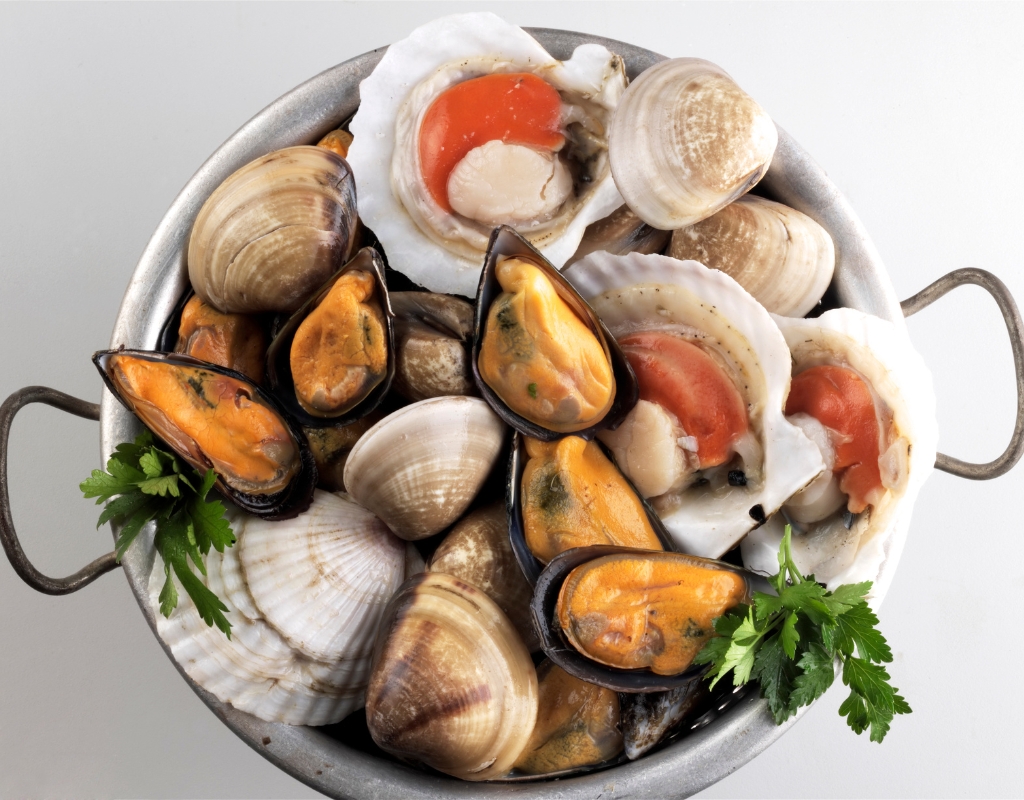
Shellfish is high in vitamin B12, which can help strengthen the uterine lining and increase sperm count, potentially supporting faster conception.
Dairy Products
.jpg)
Examples include butter, milk, cream, condensed milk, yogurt, and cheese. These dairy products are rich in protein, fat, minerals, and vitamins. Pregnant women are recommended to choose low-fat dairy products to avoid complications during pregnancy related to excessive fat intake.
Green Vegetables
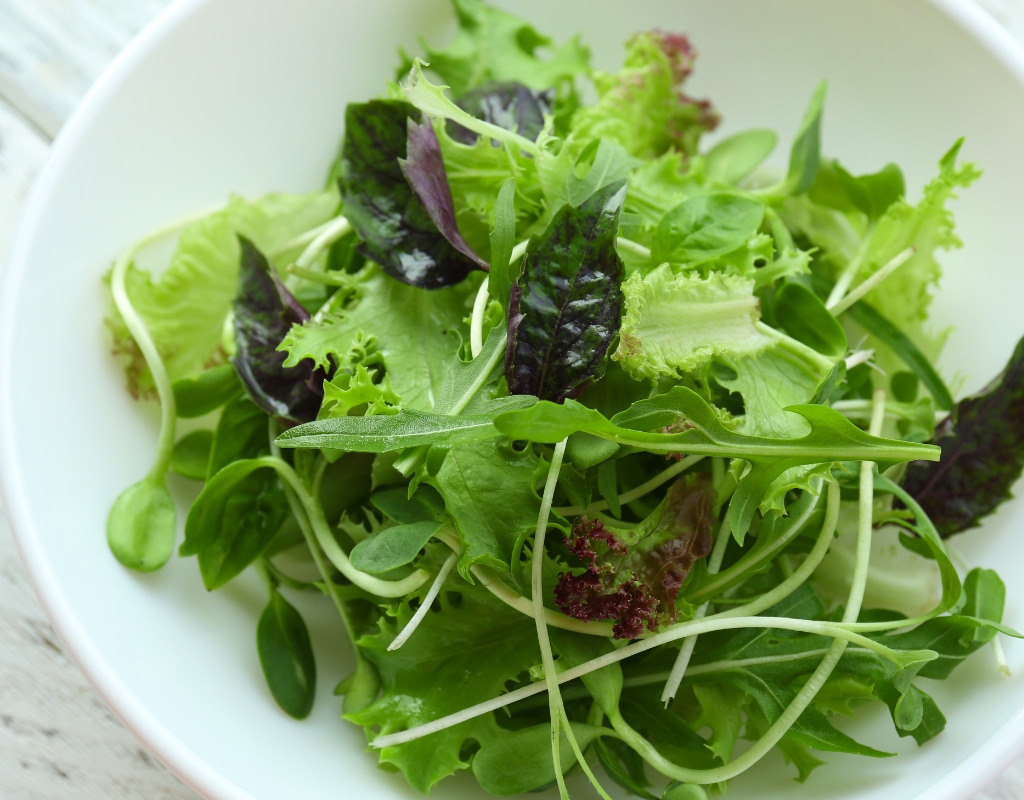
Green vegetables are high in folate and vitamin B6, which help support the ovulation process and may reduce the risk of miscarriage and genetic disorders in babies. Folate also promotes good health in men.
Carrots and Apricots Carrots
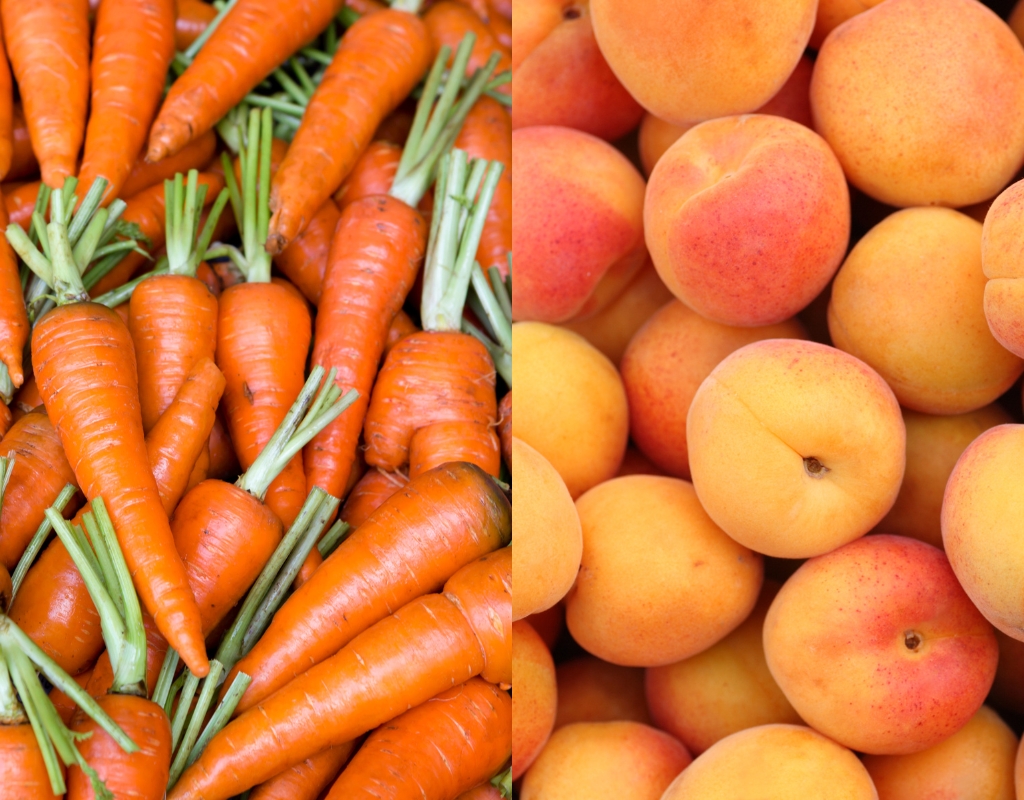
Carrots and apricots are high in beta-carotene. Carrots can help support sperm production and progesterone levels, while apricots are also rich in beta-carotene and manganese, which play a role in hormone production.
Pumpkin Seeds
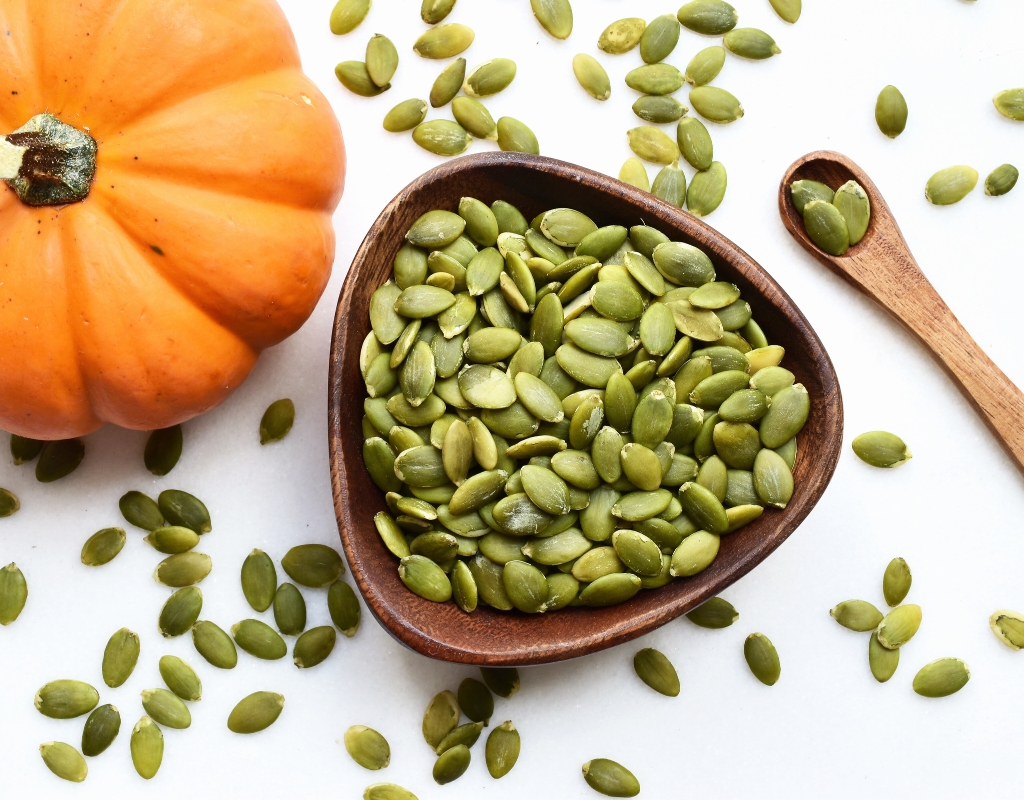
Pumpkin seeds are a good source of non-heme iron, which can also be found in some fruits, vegetables, and supplements. Regular intake of non-heme iron may reduce pregnancy-related complications by up to 40% compared to women who do not take it.
Berries
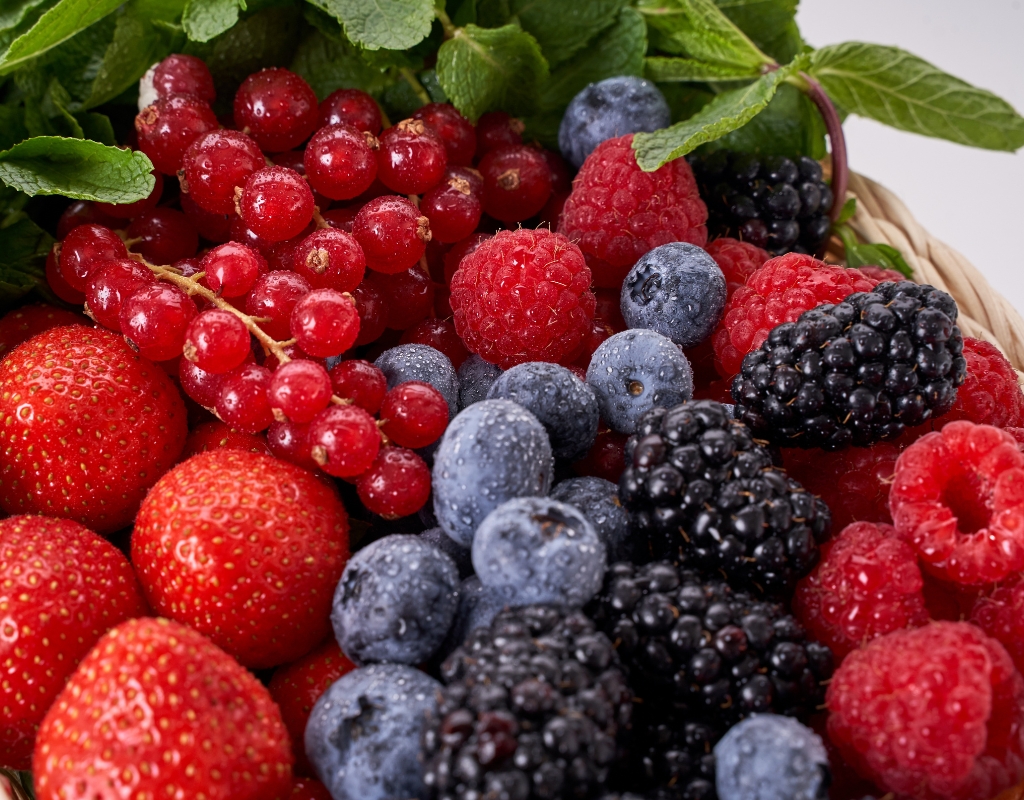
Berries, such as strawberries, raspberries, and cherries, are full of antioxidants that help prevent aging. They can also help strengthen eggs and boost women's libido.
By Assoc.Prof. Matchuporn Sukprasert

 ENGLISH
  THAI
THAI  中文
中文