NEWS & KNOWLEDGE
How Long Does ICSI Take Before You Can Become Pregnant?

How Long Does ICSI Take Before You Can Become Pregnant?
A Guide for Couples Planning Fertility Treatment
IVF (In Vitro Fertilization) and ICSI (Intracytoplasmic Sperm Injection) are assisted reproductive technologies that can help increase the chances of pregnancy for couples experiencing infertility, whether the underlying cause is related to the female partner, male partner, or both.
One of the most common questions among couples considering fertility treatment is: “How long does IVF/ICSI take?” and “How many steps are involved before we know whether the treatment has been successful?”
At N.I.C IVF CLINIC, we have outlined the key steps of the IVF/ICSI process and the approximate timeline to help couples prepare for their treatment journey.
Step 1: Starting the ICSI Treatment Cycle
When both partners are ready to begin treatment, the female partner will usually have an appointment within the first 3 days of her menstrual cycle. The doctor will perform an ultrasound examination and prescribe ovarian stimulation medication.
During this period, follow-up appointments will be scheduled to monitor follicle development through ultrasound and blood tests, including E2 and LH hormone levels. The medication dosage may be adjusted according to the patient's individual response.
Duration: Approximately 8–12 days, depending on the individual response to ovarian stimulation medication.

Step 2: Egg Retrieval and Sperm Collection
Once the follicles have reached an appropriate size, the doctor will schedule egg retrieval approximately 34–36 hours after the trigger injection.
On the day of egg retrieval, the male partner will provide a semen sample for the ICSI procedure.
Egg retrieval takes approximately 15–20 minutes and is performed under sedation. Once fully awake and recovered, the patient can generally return home.
Step 3: Fertilization and Embryo Culture in the Laboratory
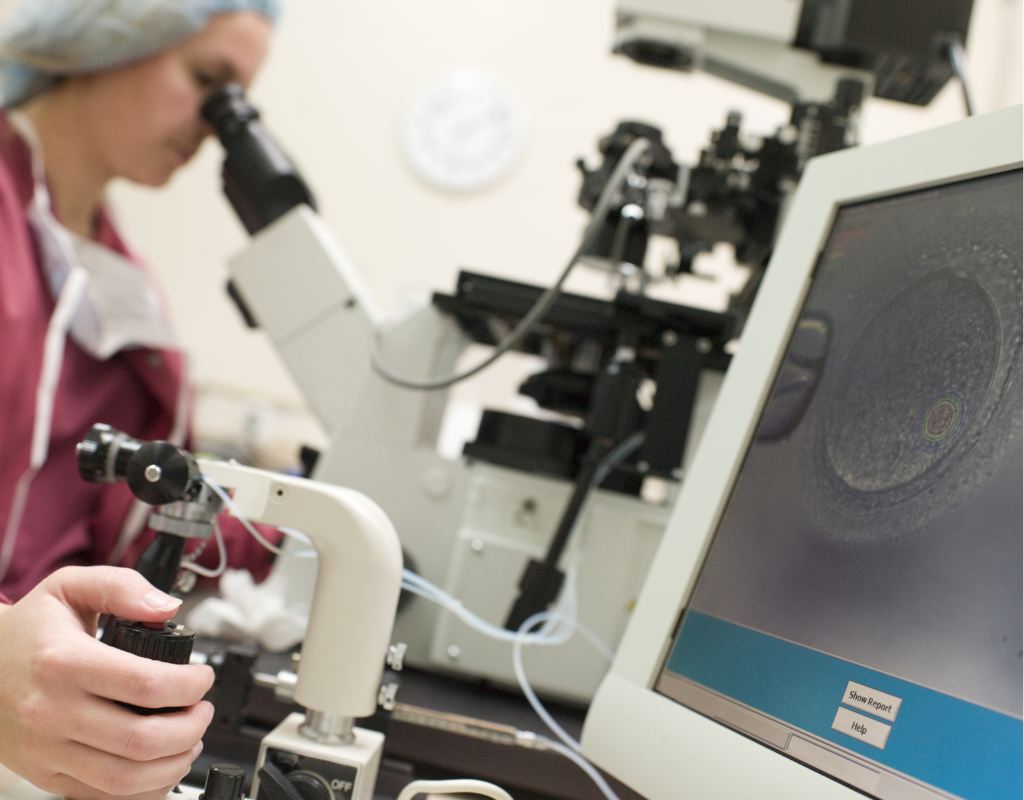
On the day of egg retrieval, the embryology team prepares the sperm sample for fertilization using the ICSI technique.
The embryos are then cultured in the laboratory for approximately 5–6 days while their development and cell division are carefully monitored. Embryos with suitable development and quality can then be selected for embryo transfer.
Duration: Approximately 5–6 days after ICSI.
Step 4: Embryo Chromosome Testing (PGT-A)
For couples with specific medical indications, such as women aged over 35, a history of recurrent miscarriage, a family history of genetic disorders, or previous pregnancies affected by genetic abnormalities, the doctor may recommend chromosome testing before embryo transfer.
When an embryo reaches the blastocyst stage (Day 5–6), the embryologist performs a biopsy of the trophectoderm cells, which are the cells that will develop into the placenta. The cells are sent for chromosome analysis, while the embryos are frozen while awaiting the test results.
Chromosome testing results typically take approximately 10 days. The doctor will then use the results to help plan treatment and select the most appropriate embryo(s) for transfer in the following menstrual cycle.
Duration: Approximately 10 days.
.png)
Step 5: Recovery and Preparing the Body
After egg retrieval, the doctor may recommend that the female partner allow her body to recover for at least one menstrual cycle before beginning preparation of the uterine lining for a Frozen Embryo Transfer (FET).
This period allows the body to recover from ovarian stimulation, hormone levels gradually return to balance, and the medical team prepared the endometrium for embryo implantation.
During this period, patients are encouraged to:
- Eat a healthy and balanced diet
- Get adequate rest
- Engage in light exercise
- Avoid smoking and alcoholic beverages
- Reduce stress and prepare both physically and emotionally

Step 6: Preparing the Uterine Lining and Embryo Transfer
Before embryo transfer, the doctor will assess the readiness of the endometrium, which plays an important role in embryo implantation.
The female partner will generally have an appointment within the first 3 days of her menstrual cycle. The doctor may prescribe estrogen and progesterone to prepare the uterine lining and will monitor endometrial thickness by ultrasound.
Once the endometrium is ready, the embryo transfer date is scheduled according to the developmental stage of the embryo.
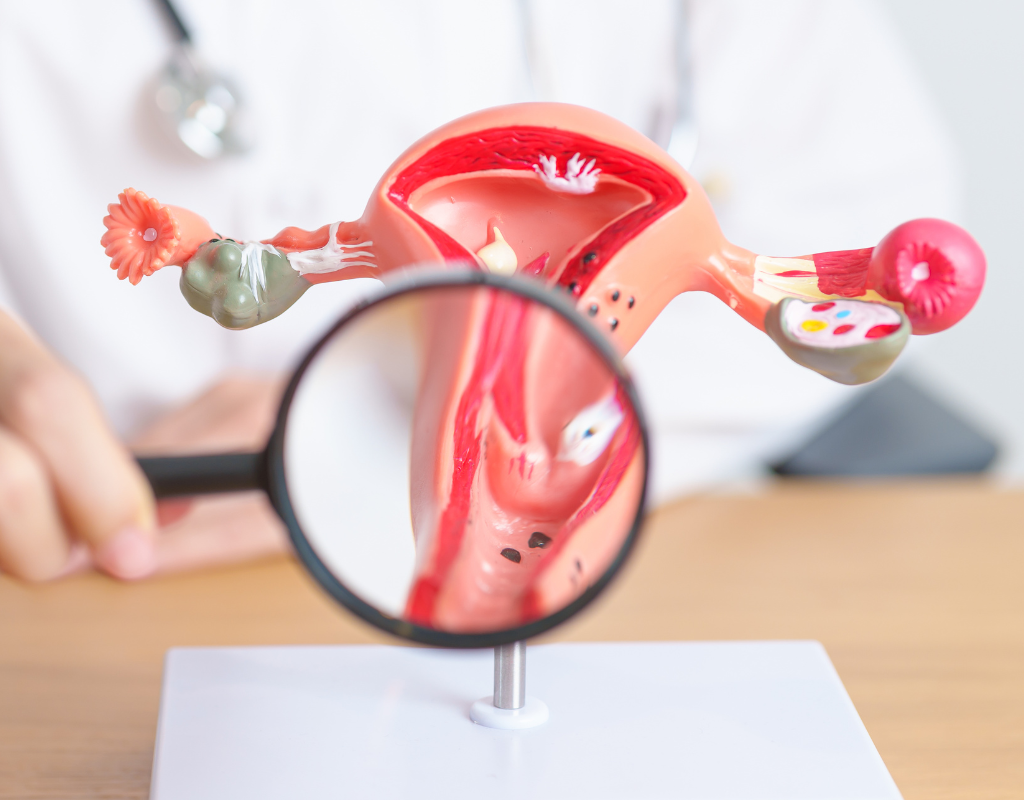
The embryo is transferred into the uterus through a small catheter under ultrasound guidance. The procedure takes approximately 10–30 minutes.
Duration: Approximately 19–24 days, depending on the individual response to medication.
Step 7: Pregnancy Test
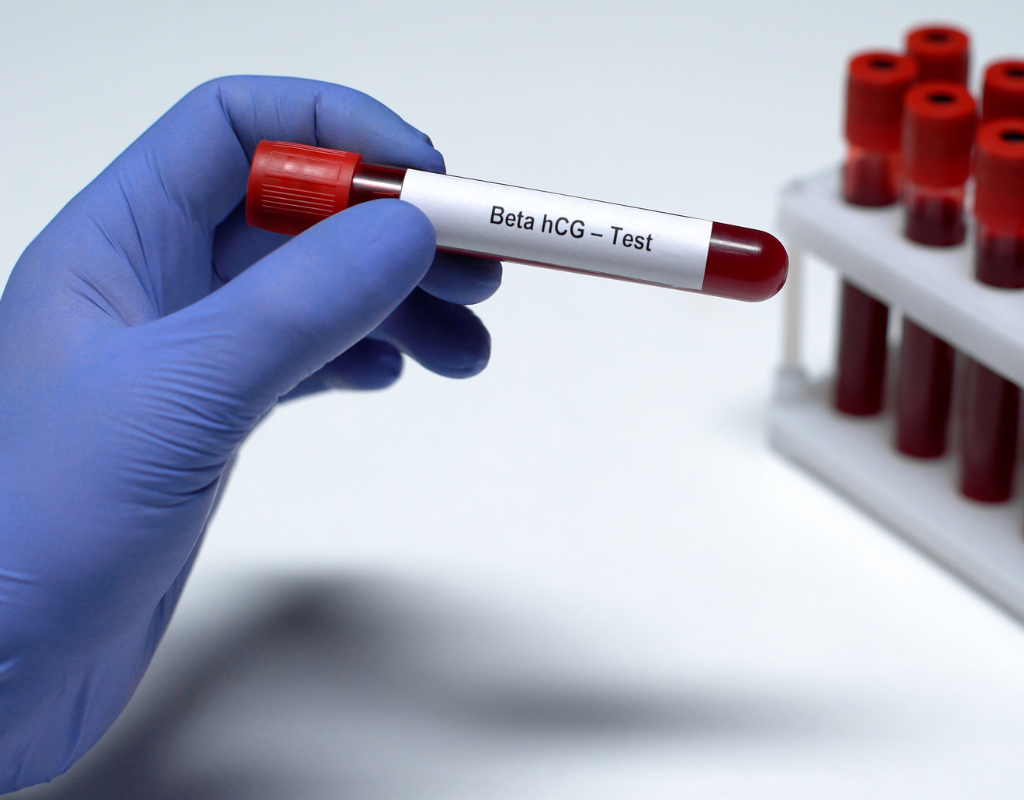
After embryo transfer, the doctor will schedule a blood test to measure Pregnancy Test B-hCG (pregnancy hormone) levels.
The pregnancy test is generally performed approximately 7–10 days after embryo transfer.
How Long Does the Entire ICSI Process Take?
IVF/ICSI is a multi-step fertility treatment that includes ovarian stimulation, egg retrieval, fertilization in the laboratory, embryo culture, preparation of the uterine lining, and embryo transfer.
Overall, the treatment process may take approximately 2–3 months per treatment cycle before the pregnancy result is known. However, the exact timeline may vary from person to person depending on individual circumstances and treatment response.
A comprehensive evaluation and personalized treatment plan by a reproductive medicine specialist can help determine the most appropriate approach based on the underlying cause of infertility and optimize the chances of achieving a successful pregnancy.
For further information, please contact:
LINE Official Account: @nic_clinic or https://lin.ee/Mmq6m2K
Tel: +66 2-007-3973 or +66 95-370-2483


 ENGLISH
  THAI
THAI