NEWS & KNOWLEDGE
Does Egg Quality Matter for ICSI?

ICSI (Intracytoplasmic Sperm Injection) is an assisted reproductive technology that helps achieve fertilization. During the procedure, an embryologist selects a single sperm and injects it directly into the egg to help fertilization occur.
Many people may wonder, “If ICSI directly injects sperm into the egg, does egg quality still matter?” Yes, it does. Although ICSI helps the sperm fertilize the egg directly, egg quality still plays an important role in fertilization, cell division, and embryo development.
What Is Egg Quality?
Egg quality (oocyte quality) refers to the egg’s potential to be fertilized and develop after fertilization. Having many eggs does not necessarily mean that all eggs are of good quality. Similarly, having fewer eggs does not mean that all of them are of poor quality.
Why Is Egg Quality Important for ICSI?
Although ICSI can help overcome challenges during fertilization, egg quality continues to play an important role after fertilization, particularly in embryo development. If an egg has abnormalities or lower quality, it may affect the embryo’s ability to develop.
How Does Age Affect Egg Quality?
A woman’s age is one of the factors associated with fertility and egg quality. As age increases, both the number and quality of eggs tend to decline. This can affect fertilization and embryo development. Advanced maternal age is also associated with a higher risk of chromosomal abnormalities in embryos. However, age alone cannot determine egg quality with 100% accuracy, as women of the same age may have different numbers of eggs and different responses to ovarian stimulation.
How Do Embryologists Assess Egg Quality?
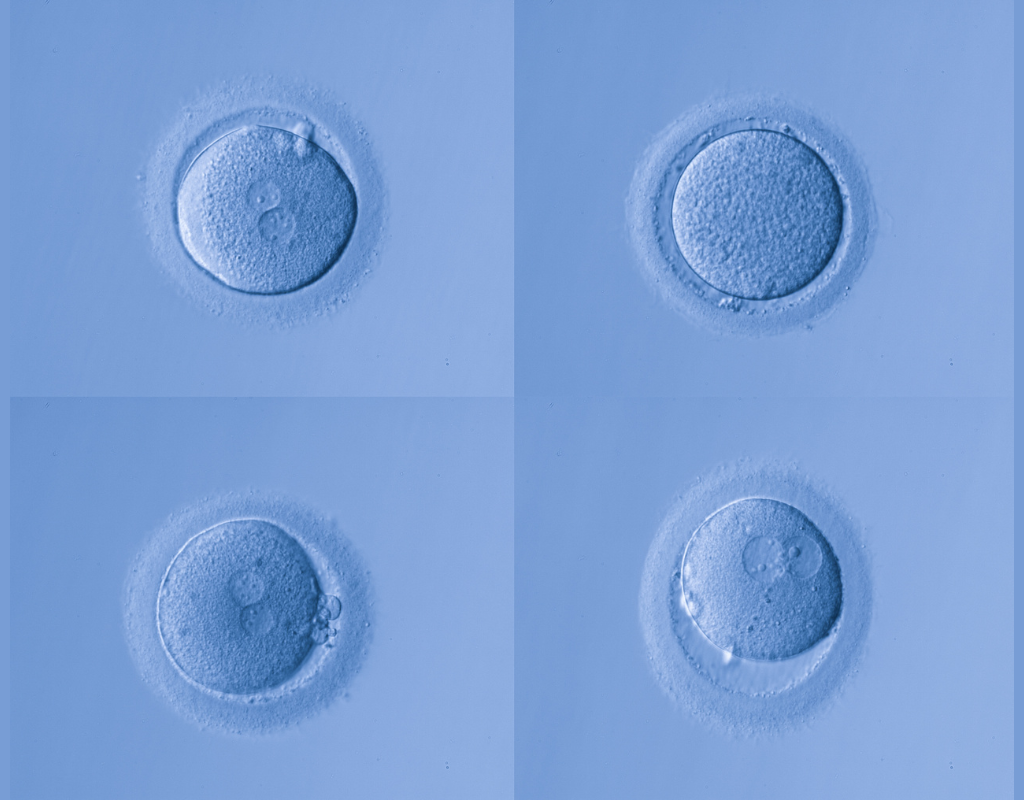
During the ICSI process, embryologists assess eggs based on their observable characteristics, including:
- Maturity of the egg
- Appearance of the egg and cytoplasm
- Appearance of the zona pellucida
- Appearance of the polar body
- Visible abnormalities under a microscope
However, microscopic appearance cannot determine all chromosomal abnormalities in an egg. Therefore, egg assessment is only one part of the overall evaluation. An egg that appears healthy under a microscope does not necessarily develop into an embryo with a normal chromosome number.
Summary
Good egg quality is important for ICSI because it can support successful fertilization and subsequent embryo development. Treatment planning should be individualized by considering factors such as the woman’s age, number of eggs, previous treatment history, sperm quality, and other relevant factors to determine the most appropriate treatment approach for each couple.
For further information, please contact:
LINE Official Account: @nic_clinic or https://lin.ee/Mmq6m2K
Tel: +66 2-007-3973 or +66 95-370-2483


 ENGLISH
  THAI
THAI  中文
中文